Finding the right commercial suite for rent is a critical decision for any salon owner. The space you choose affects daily operations, brand image, client experience, and long-term growth. It goes beyond securing a location—it’s about selecting a suite that supports efficiency, compliance, and comfort. Whether opening your first salon or expanding an existing business, understanding how to evaluate a commercial suite for rent helps avoid costly mistakes and ensures long-term success.
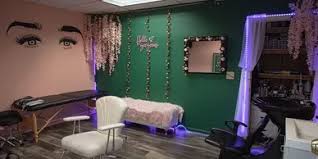
Why Choosing the Right Commercial Suite Matters for Hair Salons
Hair salons have specialized space requirements that differ from those of typical retail businesses. A suitable commercial suite for rent must support plumbing, ventilation, electrical capacity, and health compliance standards. The environment also affects client perception and service efficiency, as comfort, accessibility, and layout influence both experience and workflow. Additionally, a well-located commercial suite for rent improves visibility and walk-in traffic, while a poor location may require increased marketing efforts.
Key Features to Look for in a Commercial Suite for a Hair Salon
When evaluating a Beauty Salon for Rent, functionality should always take priority over appearance. While aesthetic appeal can enhance branding, infrastructure determines whether the space can operate efficiently as a salon. Ensuring that core operational requirements are met prevents expensive renovations and operational disruptions later.
Plumbing and Water Access
Reliable plumbing is essential for shampoo stations, sanitation procedures, and daily cleaning. A suitable commercial suite should include sufficient water supply lines, proper drainage systems, and adequate water pressure. If plumbing upgrades are required, owners should confirm modification permissions and associated costs before signing a lease.
Electrical Capacity
Salon equipment, such as dryers, straighteners, lighting systems, and treatment devices, requires substantial electrical capacity. A well-equipped commercial suite for rent must support high energy demand without overload risks. Proper wiring and circuit capacity ensure safety, equipment longevity, and uninterrupted service delivery.
Ventilation and Air Quality
Chemical treatments used in coloring, smoothing, and styling services require proper airflow. Adequate ventilation removes fumes, maintains indoor comfort, and protects both staff and clients. A suite with existing ventilation infrastructure significantly reduces setup costs and compliance challenges.
Zoning and Permits
Legal compliance is a critical step when selecting a commercial suite for rent. Zoning regulations determine whether personal care services are permitted in a specific location. Confirming licensing eligibility and permit requirements prevents delays and protects the business from legal complications.
Location Considerations for Salon Commercial Rentals
Location is a foundational factor in salon success. The surrounding environment influences client accessibility, brand exposure, and long-term revenue potential. A strategically positioned commercial suite for rent supports both convenience and visibility.
Foot Traffic and Visibility
Suites located in high-traffic commercial areas naturally attract walk-in clients. Visibility from main streets or within mixed-use developments strengthens brand awareness and reduces reliance on advertising.
Parking and Accessibility
Convenient parking and public transportation access significantly improve the client experience. A salon that is easy to reach encourages repeat visits and punctual appointments.
Neighborhood Demographics
Understanding local demographics allows salon owners to align pricing, services, and branding with community needs. Selecting a commercial suite for rent in a compatible market supports stronger positioning and consistent demand.
Understanding Lease Types for Salon Commercial Suites
Lease structure determines how rent is calculated and which expenses the tenant must cover. Understanding lease terms helps salon owners evaluate the actual cost of a commercial suite and plan their finances effectively.
A gross lease provides predictable monthly payments because operating expenses are included in the rent. Net leases require tenants to cover additional costs such as maintenance and insurance. Percentage leases link rent to business revenue and may appear in high-traffic retail locations. Choosing the appropriate structure supports financial stability and long-term planning.
Build-Out and Customization Considerations
Most salon spaces require modifications to support equipment placement, branding, and operational workflow. Evaluating build-out policies is essential when selecting a commercial suite for rent.
Tenant improvement allowances can significantly reduce renovation costs. However, landlords typically require approval for structural changes, plumbing installations, and signage placement. Establishing clear expectations before construction begins prevents delays and budget overruns.
Construction timelines should also be carefully planned. Negotiating a rent-free period during build-out helps reduce financial pressure before opening and allows sufficient time for proper setup.
Budgeting Beyond Monthly Rent
Monthly rent represents only one component of total operational cost. A comprehensive financial plan for a Commercial Suites for Rent should include all recurring expenses that affect profitability.
Utilities such as water, electricity, and HVAC services create ongoing commitments. Insurance coverage protects against liability and property damage. Licensing requirements vary by location and must be maintained continuously. Marketing and signage investments are also necessary to maximize visibility and attract new clients.
Planning for these expenses ensures financial stability and reduces unexpected strain.
How Salon Layout Impacts Business Performance
Interior design plays a direct role in both client experience and staff efficiency. A well-organized commercial suite for rent supports smooth workflow and professional presentation.
A welcoming reception area creates a strong first impression and enhances client comfort. Properly spaced styling stations enhance productivity and safety. Organized back-of-house areas maintain cleanliness and streamline operations. Thoughtful layout planning transforms a physical space into a functional and client-focused environment.
Negotiating Lease Terms as a Salon Owner
Lease negotiation allows salon owners to secure terms that support long-term stability. When leasing a commercial suite, understanding key provisions strengthens negotiating power.
Rent escalation clauses determine how costs increase over time. Lease length affects security and planning confidence. Renewal options protect investments in branding and build-outs. Exit clauses provide flexibility if business needs change. Strategic negotiation helps protect both financial investment and operational continuity.
Preparing Your Salon for Long-Term Success
Choosing the right commercial suite for rent should align with long-term business goals rather than immediate convenience. Planning for service expansion, staffing growth, and evolving client needs ensures the space remains functional over time.
A well-selected commercial suite supports brand positioning, operational efficiency, and consistent client experience. When approached strategically, leasing becomes a growth decision rather than a simple real estate transaction.
Final Thoughts on Commercial Suite for Rent
Leasing a salon location is a significant business milestone. By carefully evaluating infrastructure, location, lease terms, and financial responsibilities, salon owners can secure a commercial suite for rent that supports sustainable success.
The right space enhances workflow, strengthens brand presence, and creates a welcoming environment for clients. With informed planning and professional guidance, salon owners can establish a foundation that supports growth for years to come.
FAQ ON Commercial Suite for Rent
1. What is a commercial suite for rent?
A commercial suite for rent is a private business space within a commercial property, suitable for offices, salons, studios, or professional services.
2. What types of businesses can use a commercial suite for rent?
A commercial suite for rent can be used by salons, barbershops, offices, medical practices, consultants, and other service-based businesses, depending on zoning.
3. What is typically included in a commercial suite for rent?
Most commercial suites include private rooms, shared common areas, restrooms, access to utilities, and, depending on the property, parking.
4. How long are lease terms for a commercial suite for rent?
Lease terms usually range from one to five years, though some commercial suites for rent offer flexible or short-term leases.
5. Are utilities included in a commercial suite for rent?
Utilities may included or billed separately. Always confirm electricity, water, internet, and maintenance costs before leasing a commercial suite for rent.