Hair Salon for Lease space is an exciting and lucrative opportunity for both experienced salon owners looking to rent out their commercial property and entrepreneurs eager to start their own salon business. Whether you’re a seasoned professional or a first-time entrepreneur, understanding the nuances of leasing a salon can help you make informed decisions that benefit your business.
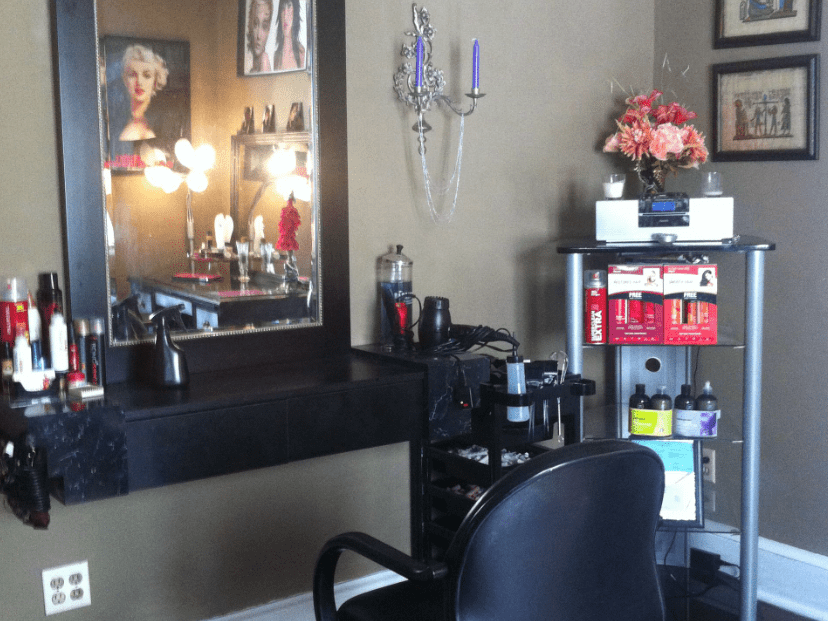
Why Choose a Hair Salon for Lease?
If you’re looking to expand your salon business or take the plunge into owning your own salon, Hair Salon for Lease presents several compelling benefits. Unlike buying property, leasing provides flexibility and lower upfront costs. For those seeking to enter the salon industry without the high expenses of ownership, leasing offers a viable alternative.
In addition to providing financial flexibility, leasing a salon space allows you to invest more in the business itself rather than the property. With the right lease, you can create a company that aligns with your vision and serves a loyal customer base.
Key Benefits of Leasing a Hair Salon
1. Lower Initial Investment
Leasing commercial space generally requires lower upfront costs than purchasing a property. Instead of committing to a hefty down payment and property taxes, leasing lets you allocate capital to building and promoting your salon. This is particularly beneficial for entrepreneurs starting from scratch and salon owners looking to minimize their financial risk.
2. Flexibility
Leasing salon space offers greater flexibility than owning a property. As market trends shift and your business grows, a lease agreement can often be renewed or adjusted to fit your changing needs. Moreover, some landlords may offer shorter-term leases, giving you the ability to test your business concept in a prime location without long-term commitments.
3. Access to Prime Locations
Leasing allows you to operate in high-traffic, desirable locations that might otherwise be out of reach for a purchase. These areas often attract more foot traffic, significantly boosting your salon’s visibility and customer base. As a result, your salon can thrive in areas known for their retail success and high customer demand.
4. Avoid Property Maintenance Responsibilities
Under a lease, most maintenance tasks, such as repairs and upkeep of the building’s structure, are typically the landlord’s responsibility. This allows you to focus your time and resources on running and growing your salon business rather than worrying about building maintenance.
Steps to Lease a Hair Salon Space
Leasing a salon is an important decision that requires careful consideration. By following these steps, you can ensure you choose a space that aligns with your business goals and budget.
Step 1: Define Your Needs
Before you begin your search, outline your specific requirements for the space. Consider factors such as:
- Size: How many stations, treatment rooms, and waiting areas do you need?
- Location: Do you want to be in a high-traffic area, close to other businesses, or in a residential neighbourhood?
- Budget: Determine how much you can afford to spend each month. Be sure to account for not only rent but also utilities, insurance, and potential renovations.
Step 2: Research Available Properties
Once you have a clear idea of your requirements, begin researching available commercial salon spaces for lease. Many online platforms list commercial properties for lease, and working with a commercial real estate agent can streamline the process. Be sure to consider both the space’s potential and its location’s accessibility to your target market.
Step 3: Visit Properties
After narrowing down your options, schedule in-person visits to inspect the spaces. Pay attention to factors such as lighting, space layout, foot traffic, and the building’s condition. Take the time to visualize how your salon business would operate in each location.
Step 4: Review Lease Terms
The lease agreement is one of the most crucial documents in the leasing process. Work with a legal professional or a commercial real estate agent to thoroughly review the lease terms. Key details to look out for include the lease duration, rent payment structure, renewal options, and any clauses regarding property maintenance or modifications.
Step 5: Negotiate the Lease
Once you’ve identified the ideal space, it’s time to negotiate the terms. Don’t be afraid to ask for favourable conditions, such as a longer rent-free period for renovations or the option to extend the lease. Negotiating with the landlord can ensure that the lease aligns with your business’s long-term goals.
Step 6: Finalize the Agreement
After negotiating the lease terms, finalize the agreement. Ensure you understand all the legal aspects of the lease before signing. A well-structured lease is essential for avoiding future conflicts or misunderstandings between you and the property owner.
Factors to Consider When Leasing a Hair Salon
While leasing a salon space can be a great business decision, it’s crucial to consider several factors before signing the lease agreement. These factors will help ensure that you make the right choice and avoid any pitfalls down the road.
1. Location and Foot Traffic
One of the most important factors to consider when leasing a salon space is location. The salon’s proximity to high-traffic areas, such as shopping centres or busy streets, will play a significant role in attracting new customers. Additionally, the location should be easily accessible and visible to passersby.
2. Salon Space Layout
A well-designed layout can enhance the customer experience and improve efficiency. When leasing space, consider how the salon’s design will support the flow of operations. Consider whether the space can accommodate the necessary equipment and whether it can provide a comfortable, welcoming atmosphere for your clients.
3. Lease Terms and Flexibility
While a long-term lease might seem like a good option, it’s essential to have flexibility in case your business needs change. Negotiate lease terms that allow for rent adjustments, early termination, or a renewal option to ensure you’re not locked into an unfavourable arrangement.
4. Renovation and Customization
Depending on your vision for the salon, you may need to make certain modifications or renovations to the space. Ensure the lease agreement allows you to customize the property to meet your needs, whether by installing new equipment, updating the décor, or redesigning certain areas of the salon.
5. Legal Considerations
Always consult with a legal professional before finalizing the lease agreement. Your lawyer can review the contract to ensure it protects your interests and adheres to local laws and regulations.
Is Leasing a Hair Salon a Good Investment?
Leasing a hair salon Suites for Rent can be a smart business move, particularly for entrepreneurs looking to enter the salon industry with a manageable investment. Unlike opening a salon franchise, leasing offers flexibility, lower startup costs, and the ability to grow your business without long-term property commitments.
Additionally, leasing allows you to invest more in the actual salon experience, customer service, and marketing—factors that ultimately drive success. However, it’s essential to do your due diligence, understand the lease terms, and select a location that aligns with your goals.
Conclusion
Leasing a hair salon space offers significant benefits for both salon owners and aspiring entrepreneurs. It provides an affordable entry point into the salon business, allowing you to focus on growth and customer service rather than property management. By following the steps outlined above, you can find the perfect salon space that fits your needs and ensures long-term success.
In the competitive salon industry, having the correct location, space, and lease terms can make all the difference. Take the time to evaluate your options, negotiate favourable terms, and partner with landlords who share your vision. Leasing a salon could be the first step toward building a thriving, profitable business.
Frequently Asked Questions (FAQs) About Leasing a Hair Salon
1. What should I look for in a hair salon space for lease?
When looking for a hair salon space, consider factors such as location, size, layout, and the property’s condition. Ensure the space has adequate lighting, enough room for stations and equipment, and is located in a high-traffic area that attracts potential clients. Additionally, verify whether the space allows customization or renovation to fit your specific needs.
2. How much does it cost to lease a hair salon?
The cost of leasing a hair salon varies based on factors such as location, square footage, and amenities. On average, commercial spaces in prime areas can cost more, while spaces in less busy areas may be more affordable. Be sure to consider all costs, including rent, utilities, maintenance fees, and insurance.
3. How long is the typical lease for a hair salon?
A typical lease for a hair salon ranges from 1 to 5 years, with renewal options. The lease term will depend on the property and your business needs. Shorter-term leases offer flexibility, while longer leases may secure better rental rates or rent-free periods for renovations.
4. What are the advantages of leasing over buying a salon property?
Leasing offers lower upfront costs and more flexibility than buying. Leasing a space allows you to focus on running your salon without worrying about property maintenance or significant capital investments. Additionally, leasing allows you to move or scale your business more easily if the market changes or your business grows.
5. Can I make changes to the salon space I lease?
It depends on the lease agreement. Many landlords allow modifications or renovations, but these changes typically require landlord approval. Be sure to include any renovation plans in your lease negotiations and confirm the specific terms for alterations to the property.